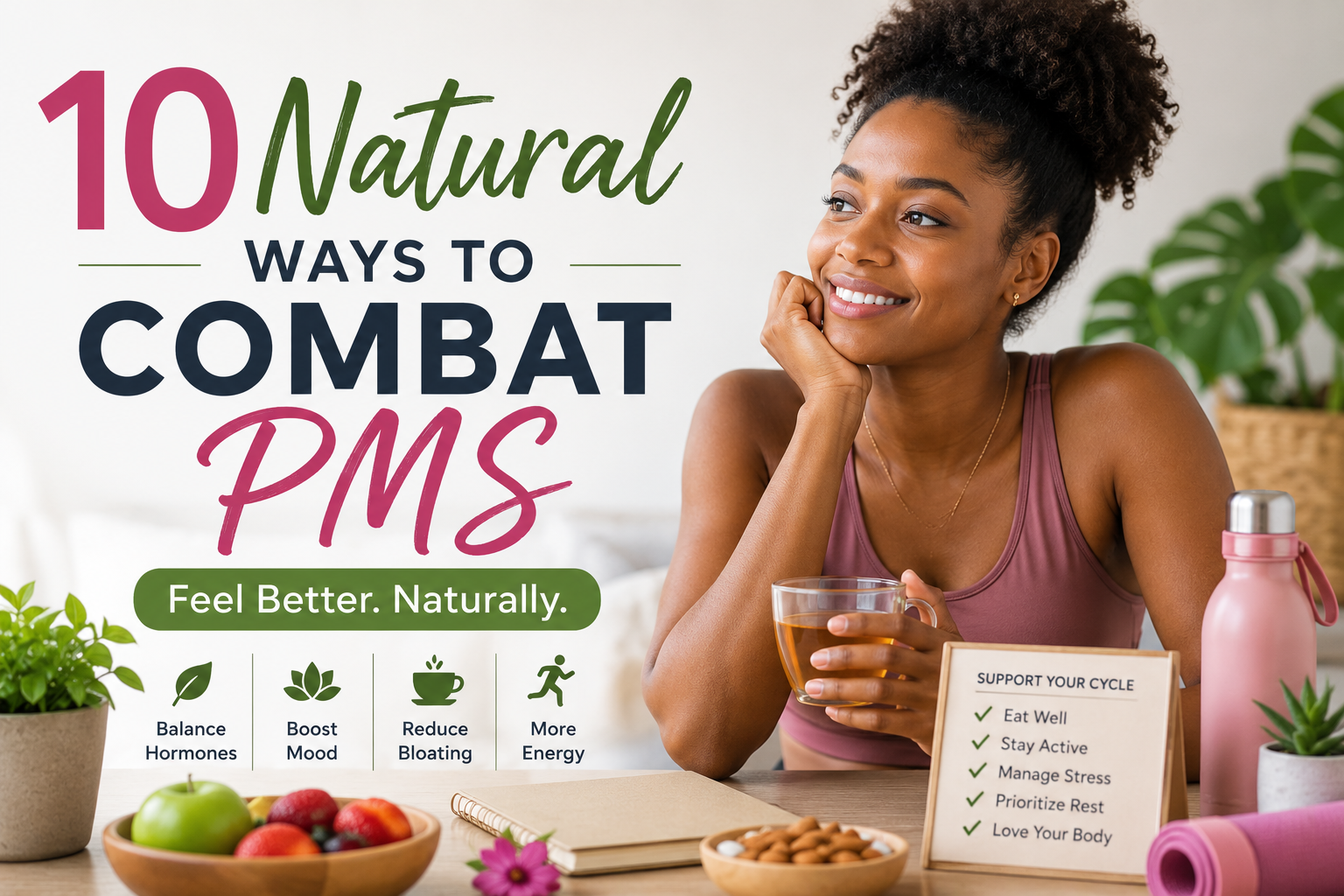
10 Natural Ways to Ease PMS Symptoms Naturally
Premenstrual Syndrome (PMS) affects many women in the days leading up to their menstrual period. Symptoms such as mood changes, bloating, headaches, fatigue, food cravings, and breast tenderness can disrupt daily life. While PMS varies from person to person, several natural lifestyle changes may help reduce its impact.
1. Monitor Your Monthly Cycle
Keeping a record of your symptoms can help you identify patterns throughout the month. By tracking your moods, energy levels, and physical symptoms, you can better plan important activities during times when you typically feel your best.
2. Address Specific Symptoms Naturally
Different PMS symptoms may respond to different natural approaches. Zinc may support skin health for those experiencing breakouts, while herbal remedies such as feverfew have traditionally been used for headaches. Women experiencing bloating may find relief through dietary adjustments and herbal supplements.
3. Prioritize Essential Nutrients
Nutritional deficiencies can contribute to PMS symptoms. Ensuring adequate intake of magnesium, calcium, vitamin D, iron, zinc, and B vitamins may support hormonal balance and overall wellbeing. A balanced diet rich in fruits, vegetables, whole grains, and lean proteins is a great starting point.
4. Maintain a Healthy Weight
Research suggests that excess body weight may be associated with more severe PMS symptoms. Combining regular physical activity with healthy eating habits can support both weight management and menstrual health.
5. Manage Stress Levels
Emotional stress can worsen PMS symptoms. Activities such as meditation, deep breathing exercises, yoga, reading, or spending time outdoors may help reduce tension and improve emotional resilience.
6. Stay Physically Active
Regular exercise can boost mood and energy by increasing the release of endorphins, often referred to as the body’s natural “feel-good” chemicals. Even a brisk daily walk can make a noticeable difference.
7. Eat Smart Throughout the Day
Many women experience increased hunger and cravings before their period. Instead of skipping meals, choose nutritious snacks such as nuts, fruit, yogurt, or whole-grain crackers to help stabilize blood sugar levels and maintain energy.
8. Consider Beneficial Fatty Acids
Certain essential fatty acids may help support hormonal balance and reduce symptoms such as breast tenderness, cramps, and irritability. Sources include evening primrose oil, blackcurrant seed oil, and foods rich in healthy fats.
9. Explore Herbal Support
Some herbal remedies have been studied for PMS relief. Agnus castus (chasteberry) is commonly used to help manage PMS symptoms. However, herbal supplements can interact with medications, so professional medical advice is recommended before use.
10. Limit Common Triggers
Reducing excessive intake of salt, sugary foods, caffeine, and alcohol may help minimize common PMS symptoms. Salt can contribute to water retention, caffeine may worsen breast tenderness and anxiety, while alcohol can affect mood and sleep quality.
Final Thoughts
PMS is a common experience, but it doesn’t have to interfere with your quality of life. Small changes in diet, exercise, stress management, and nutritional support can often make a meaningful difference. If symptoms are severe or significantly affect daily activities, consult a healthcare professional for personalized guidance and treatment options.